
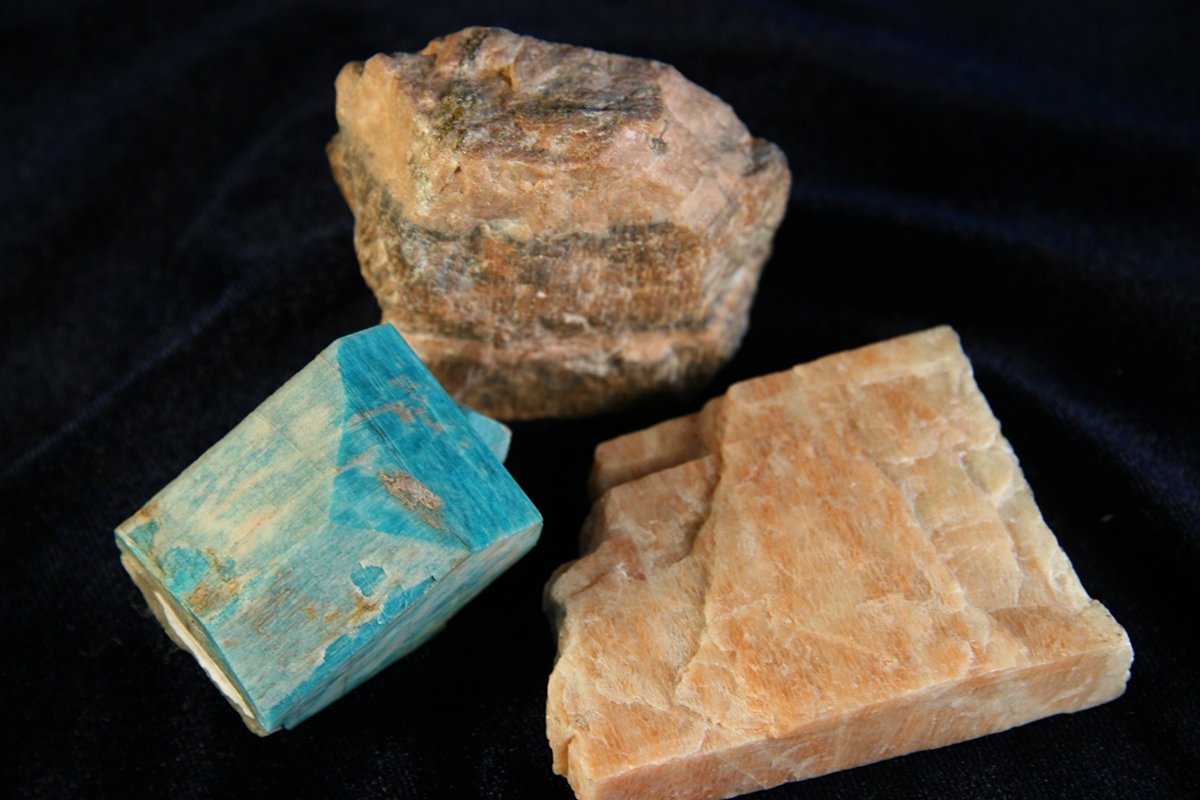
Feldspar
Feldspar is a widely used industrial mineral known for its excellent fluxing properties, chemical stability, and ability to improve product strength and surface finish. It is primarily composed of aluminum silicates combined with potassium, sodium, or calcium, making it an essential raw material in industries such as ceramics, glass manufacturing, construction, paints, plastics, rubber, and adhesives. In ceramic and glass applications, feldspar lowers the melting temperature of raw materials, enhances vitrification, improves hardness, and provides a smooth, glossy finish. Its low iron content and consistent particle size make it especially suitable for high-quality tiles, sanitaryware, tableware, and specialty glass.
In addition to ceramics and glass, feldspar is used as a functional filler in paints, plastics, and rubber to improve durability, abrasion resistance, and chemical stability. Carefully processed feldspar ensures controlled composition, uniform granulation, and reliable performance in manufacturing processes.
Feldspar – Technical Specifications
| Parameter | Specification |
|---|---|
| Chemical Composition | Alumino-silicate (KAlSi₃O₈ / NaAlSi₃O₈ / CaAl₂Si₂O₈) |
| Type | Potash Feldspar / Soda Feldspar |
| Al₂O₃ Content | 16% – 20% |
| SiO₂ Content | 65% – 75% |
| Na₂O + K₂O | 9% – 14% |
| Fe₂O₃ | ≤ 0.5% (low iron grade) |
| Color | White / Off-white |
| Mohs Hardness | 6 |
| Specific Gravity | 2.55 – 2.65 |
| Melting Point | 1100°C – 1250°C |
| Moisture Content | ≤ 0.5% |
| Water Absorption | Negligible |
| Particle Size Range | 100 mesh – 10 mm (customizable) |
| Bulk Density | 1.3 – 1.5 g/cm³ |
| Packaging | 25 kg / 50 kg bags or jumbo bags |
| Applications | Ceramics, Glass, Tiles, Sanitaryware, Paints, Plastics |