
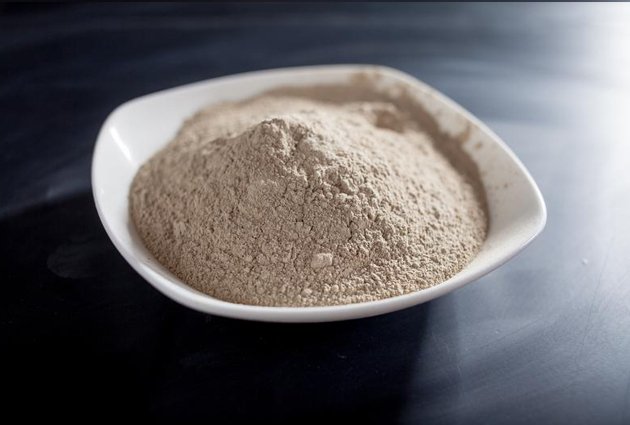
Bleaching earth
Bleaching earth is a naturally occurring or acid-activated clay, primarily derived from bentonite, and is widely used for its excellent adsorption and decolorization properties. It plays a critical role in the edible oil refining, food processing, chemical, pharmaceutical, petrochemical, cosmetics, and environmental industries. Bleaching earth effectively removes unwanted impurities such as color pigments, gums, soaps, trace metals, oxidation products, and contaminants from oils and liquids, resulting in improved clarity, stability, taste, and shelf life.
In edible oil refining, bleaching earth is used during the bleaching stage to purify vegetable oils such as palm oil, soybean oil, sunflower oil, groundnut oil, and coconut oil. It is also used in the purification of mineral oils, lubricants, waxes, and animal fats. Carefully processed and quality-controlled bleaching earth ensures high surface area, consistent activity, low oil retention, and minimal filtration loss.
Bleaching Earth – Technical Specifications
| Parameter | Specification |
|---|---|
| Material Type | Natural / Acid-Activated Clay |
| Base Mineral | Bentonite (Montmorillonite) |
| Color | Light Yellow / Pale Grey / Off-white |
| Moisture Content | ≤ 10% |
| pH Value | 2.5 – 4.5 (Activated) |
| Surface Area | 180 – 300 m²/g |
| Oil Absorption | High |
| Decolorization Efficiency | Excellent |
| Bulk Density | 0.5 – 0.7 g/cm³ |
| Particle Size | 200 – 325 mesh |
| Loss on Ignition (LOI) | 8% – 12% |
| Oil Retention | Low |
| Thermal Stability | Good |
| Packaging | 25 kg / 50 kg bags or jumbo bags |
| Applications | Edible Oil Refining, Chemicals, Lubricants, Cosmetics |